
AI Co-Pilot Boosts Noninvasive BCI by Interpreting User Intent
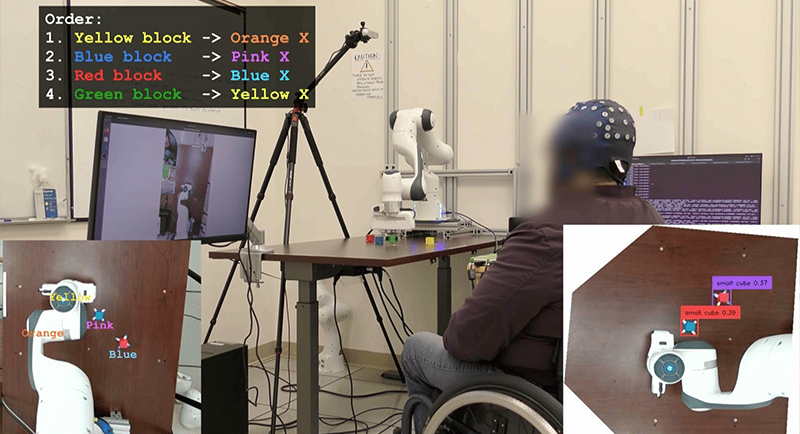
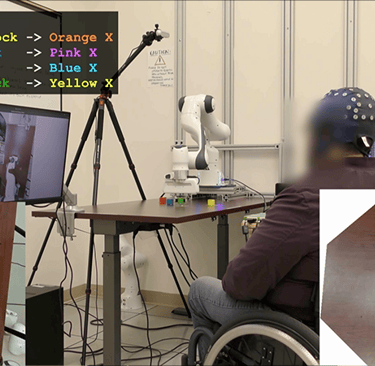
A noninvasive brain-computer interface (BCI) system developed by engineers at the University of California, Los Angeles (UCLA) combines electroencephalography with AI to help users control a robotic arm or computer cursor efficiently. Tested on four participants, including one paralyzed user, the system successfully decoded brain signals and paired them with computer vision to interpret intent. With AI support, tasks like moving blocks with a robotic arm were completed quickly.
UCLA Samueli School of Engineering
9/1/20251 min read
globalstemsociety.org
© 2026. All rights reserved.

Contact Us
Useful Links
Membership
Member
Honorary
Councils
Developed by Global STEM Society